Early access
Diagnostics Box
Fault. Cause. Fix. Every incident makes the plant smarter.
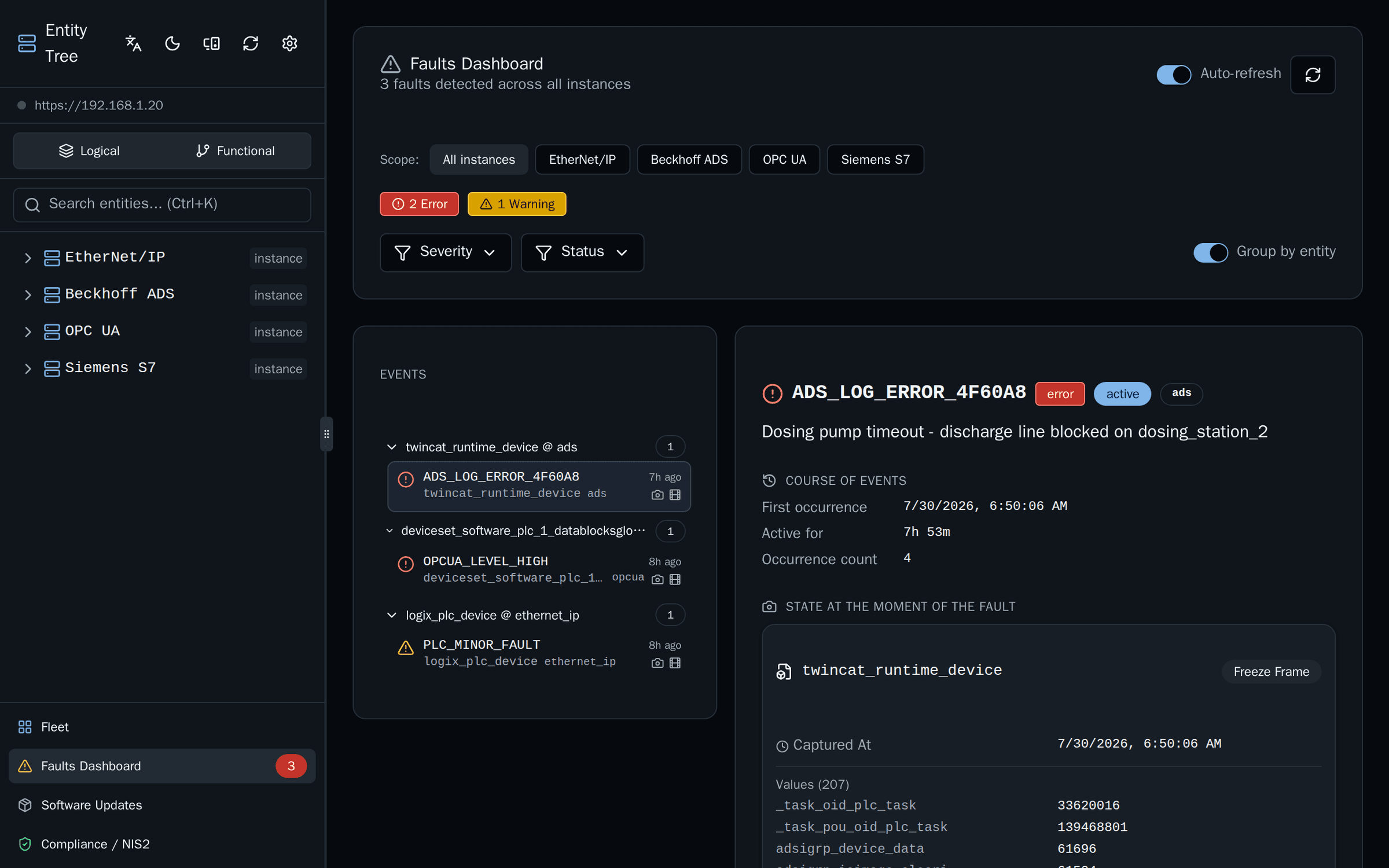
A stopped line is diagnosed by five tools that do not talk to each other. None of them can hand the problem to an AI.
“People who are really serious about software should make their own hardware.”
Where it fits
The Diagnostics Box plugs in the whole factory instead.
Native S7comm, OPC-UA, ADS and ROS 2 in - one SOVD REST API plus MCP out.
S7comm · OPC UA
Siemens
ADS
Beckhoff
EtherNet/IP · PoC
Rockwell
ROS 2
AMR
Diagnostics Box
Your AI
opt-in · or fully on-premise
The repair loop
How the box works
01
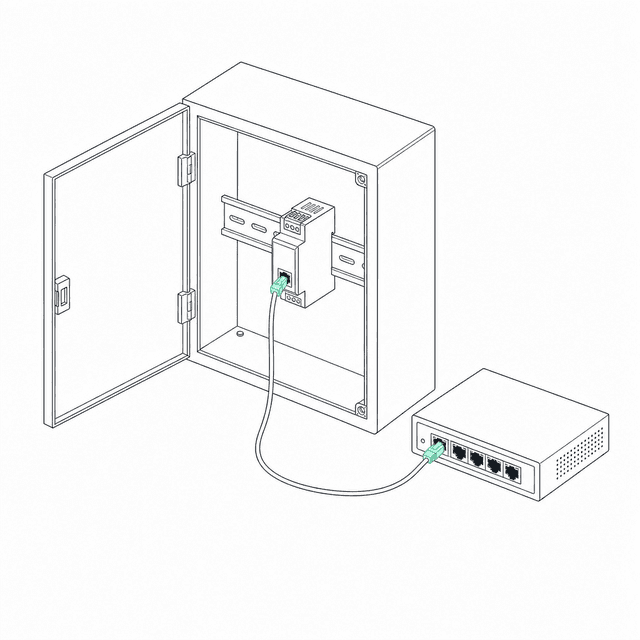
Plug in
One cable to the OT switch. The plant introduces itself - Siemens, Beckhoff, Rockwell, ROS 2.
02
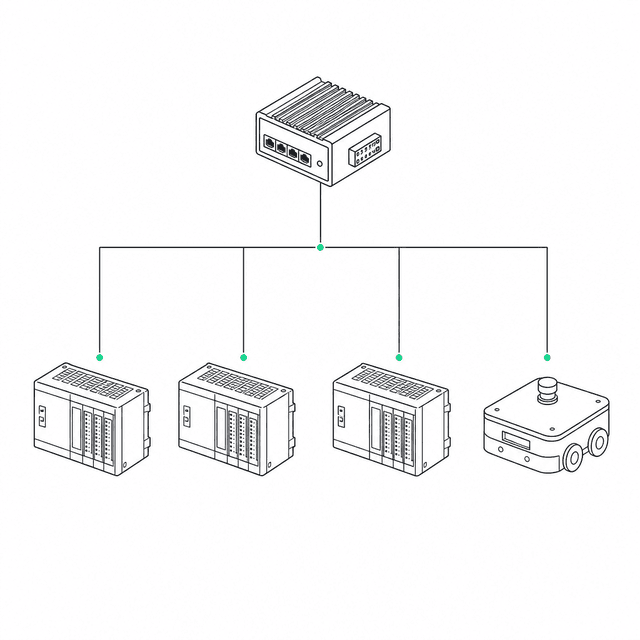
It maps the plant
Every PLC and robot becomes an entity in one tree, live values behind one REST API.
03
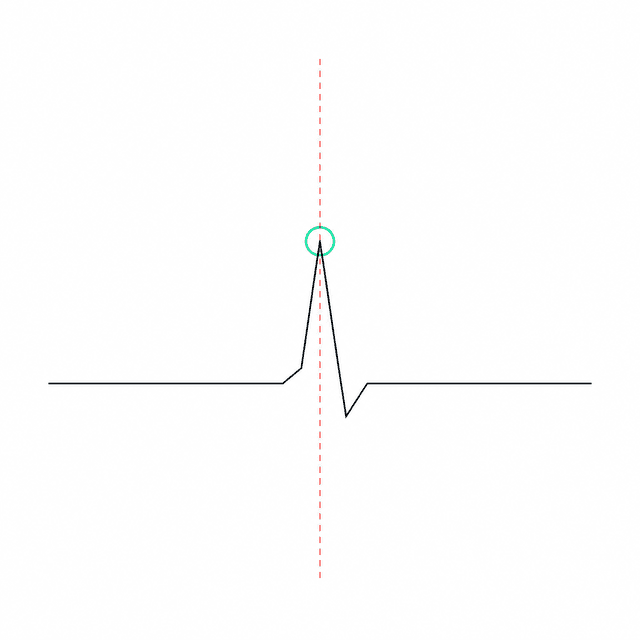
A fault comes home
Caught with a freeze-frame of the exact moment - values, not guesses.
04
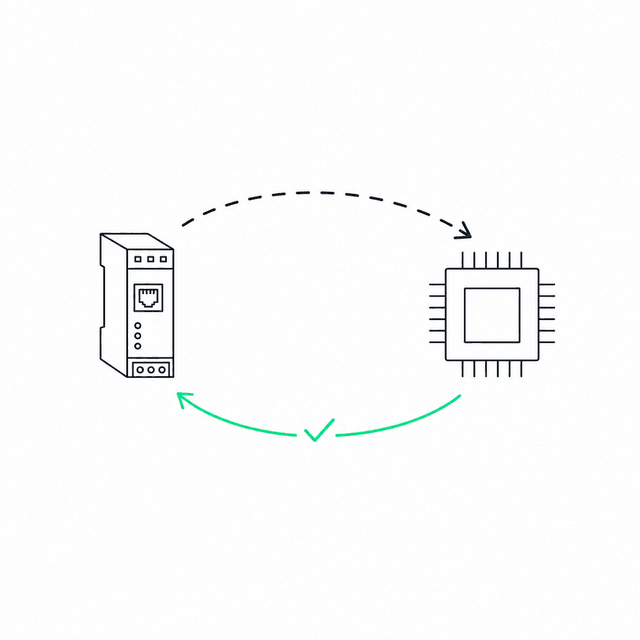
Ask your AI
The assistant you choose sees the whole picture and returns a probable cause and a proposed fix. Your operator approves.
AI access
“Why did line 3 stop last night?”
It reads the fault, the freeze-frame of that moment, and the plant around it - then names the probable cause and proposes the fix that worked before.
AI on your terms: your assistant with your consent, or a fully on-premise model - context leaves the plant only when you decide. Underneath, the diagnostic core stays deterministic and audited, so every answer traces back to recorded facts.
The night the line stops
At 03:07 the line stops. What happens next depends on what you plugged in.
With the box
03:07
Line stops - fault + freeze-frame land
03:08
Full context to the AI you chose
03:09
Probable cause, proposed fix
Without it
03:07
Line stops
03:40
Five tools, half the picture
07:00
Meeting, no evidence
What changes for you
The first week on your line
No project plan, no tag mapping, nothing installed on the machines.
Minute 0
The plant on screen
Names, serials, and live values for every reachable machine, minutes after the cable clicks in.
Day 1
The first fault comes back solved
A drive trips. Freeze-frame, cause, and proposed fix are back two minutes later.
Week 1
The plant already knows
The same symptom on another line is diagnosed in seconds - and the signed audit trail wrote itself along the way.
With the box
The same night, through your eyes
Pick your seat. The story replays - first without the box, then with it.
Plant management
03:09 · with the box
Cause and fix, on the table
Which machine, why, and a proposed fix - before anyone is out of bed, with a signed record of all of it.
From now on
Downtime shrinks every month
Every resolved incident teaches the plant. The NIS2 evidence packet builds itself - no reporting work added.
Operations
03:09 · with the box
A fix proposal, not a code
The faulted machine is flagged with the freeze-frame of that second - and a proposed fix you approve or reject. You stay in charge.
From now on
The playbook writes itself
Every fix you approve becomes something the plant remembers. Thresholds you set yourself, and faults clear when the line recovers.
Engineers & integrators
03:09 · with the box
The AI reads the whole plant
Fault, freeze-frame, nameplate, and the plant around it - over REST and MCP. The assistant reasons about the full context, not a bare code.
From now on
The engine learns from feedback
Confirmed fixes become matched records. Native protocols underneath, read-only by default, no lock-in.
Key capabilities
Every fault carries its evidence.
- Zero-config discovery - plug in, and the box finds every PLC and robot itself
- Closes the repair loop - fault in, probable cause and proposed fix back over SOVD REST and MCP
- Correlation engine - every resolved incident makes the next diagnosis faster, across all your lines
- Your own threshold alarms - every trip captured with a freeze-frame of that exact instant
- Tamper-evident NIS2 and IEC 62443 evidence - signed, hash-chained, exportable
How to get it
The rollout, milestone by milestone
Every deployment follows the same path - each phase ends at a checkpoint you can verify yourself.
Phase 0 · before we arrive
Site survey
Checkpoint: Deployment plan agreed
Phase 1 · day 1
Plug in and discover
Checkpoint: Every reachable PLC and robot visible, with nameplates
Phase 2 · week 1
Watch and alarm
Checkpoint: First fault returned with cause and proposed fix
Phase 3 · weeks 2-4
Prove it on one line
Checkpoint: Evidence packet in hand - go or no-go for scale
Phase 4 · scale
Roll out per line
Checkpoint: Whole-plant coverage, shared learning
Scope
The full spec - for your engineers
What plugs in
Auto-discovery on the OT VLAN, minutes after the first plug. The protocol is the box’s problem. Everything above it only ever reads one API.
OPC-UA
Siemens S7-1500, B&R, Schneider M580, Beckhoff TF6100, Omron NJ/NX - incl. native alarms & conditions
Ready
S7comm
Siemens S7-1200/1500 without an OPC-UA licence, S7-300/400 legacy - nameplate, data blocks, CPU state
Ready
Beckhoff ADS
TwinCAT 3 runtimes - full symbol upload with live values, no OPC-UA licence needed
Ready
ROS 2 / DDS
MiR, Husarion, Versabox, cobots, any ROS 2 robot
Ready
EtherNet/IP - CIP
Allen-Bradley ControlLogix & CompactLogix, Omron CIP - identity and discovery today, tags next
PoC
Modbus TCP
Schneider M340, energy meters, drives, generic devices
PoC
Sparkplug B
Any plant with an existing UNS broker - subscribe, never host
Roadmap
What it deliberately does not do
- Not a SCADA replacement - it sits beside SCADA and replaces nothing.
- Not a control writer - read-only by default. Writes are opt-in and audit-logged.
- Not an MQTT broker host - it subscribes to your UNS, it does not host one.
- Not a cloud dependency - it works air-gapped. The API and the AI access run inside your network.
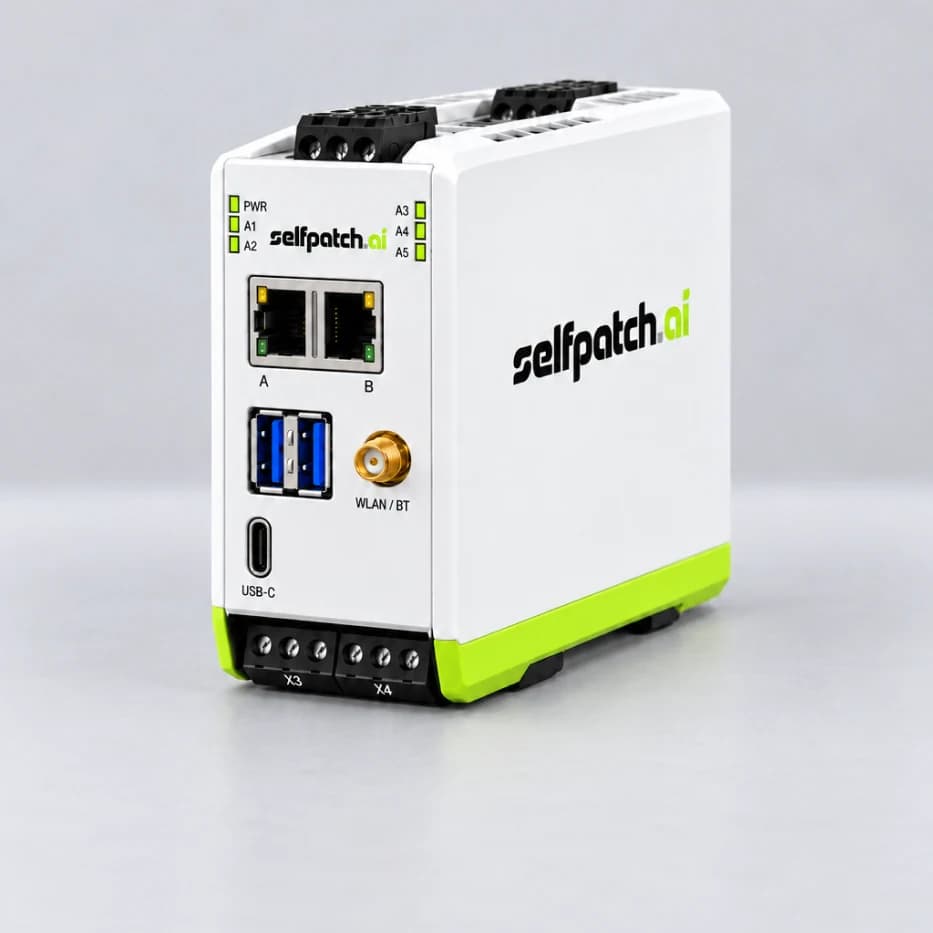
The hardware
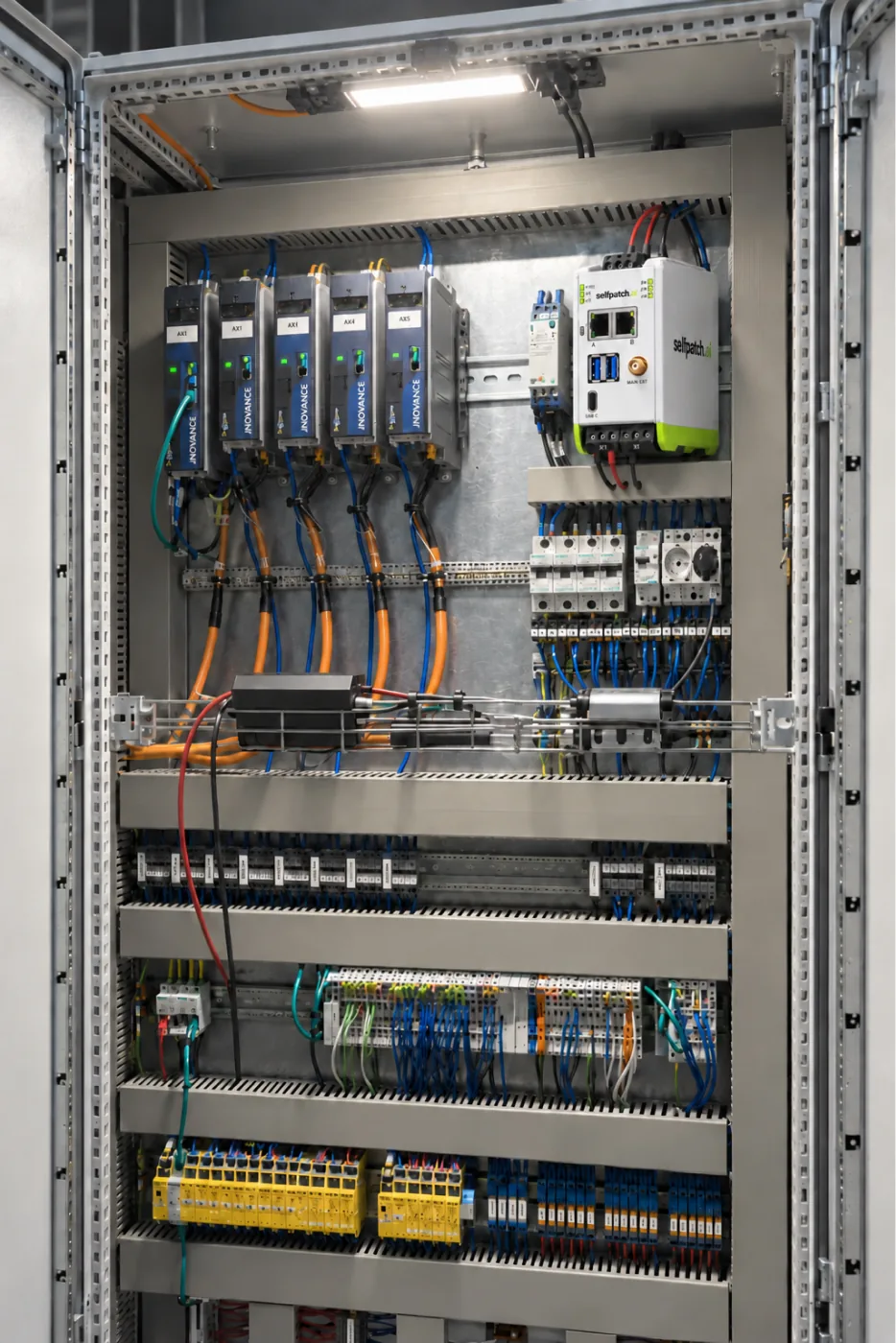
Platform
Revolution Pi Connect 5
CPU
Quad-core A76, 2.4 GHz
Memory / storage
4-8 GB RAM, 32 GB eMMC
Network
2 x GbE - separate OT and IT
Power
12-24 V DC, fanless
Environment
-25 to +55 C, IP20
Certification
CE, FCC, DIN EN 60715, EN 61131-2, IEC 61000-6-2/-4
Early access pricing
Put it on one line. Decide with evidence.
from €2,000
Diagnose · Patch · Recover · Continue
Request early access to Diagnostics Box
Tell us which machines and protocols run your line. You get the one-page deployment plan.