Industries
Industrial & Manufacturing
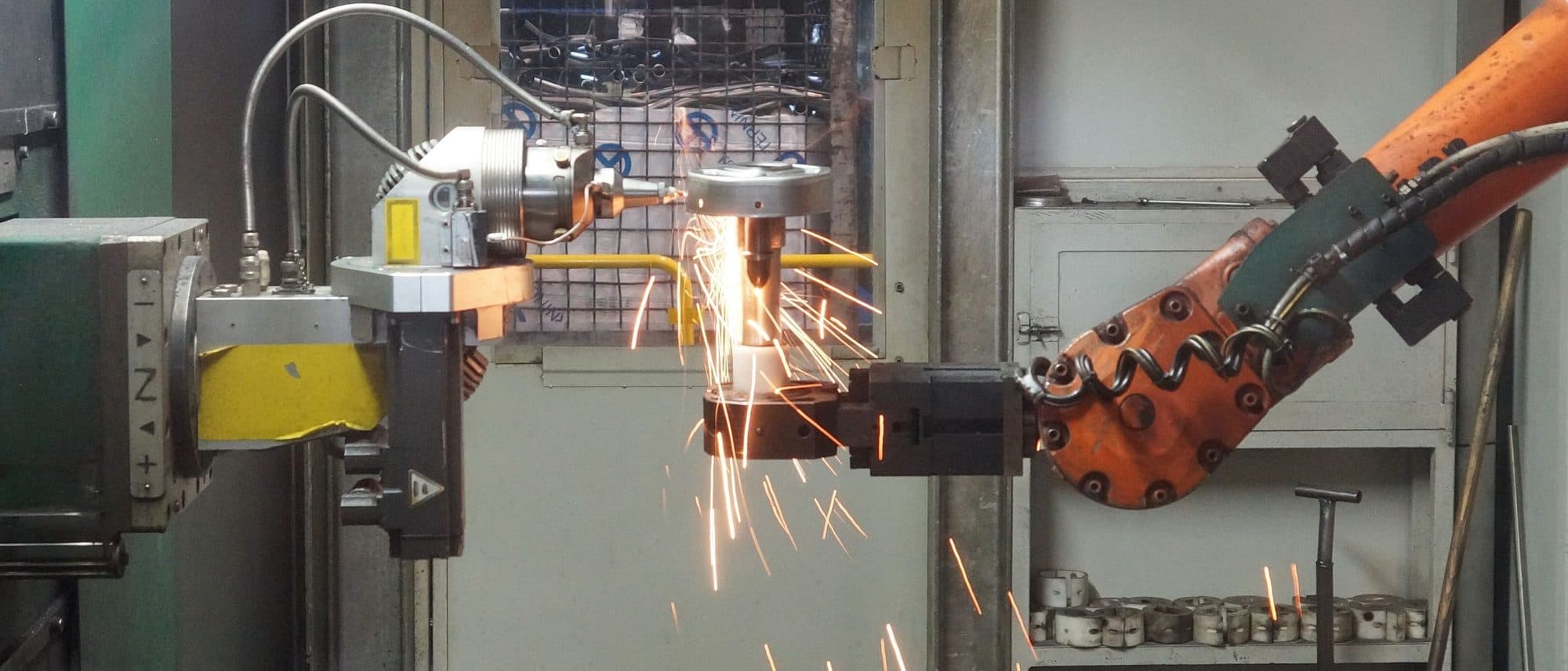
One diagnostic API across ROS 2 robots and brownfield PLC lines - the alarm and the robot fault it caused, finally on one screen.
Industrial & Manufacturing
The challenge
- Robots and PLC lines are diagnosed in separate silos, by separate people
- The robot vendor's tools and the PLC vendor's tools each show half the picture
- A stopped line burns money by the minute while the teams compare notes
Industrial & Manufacturing
How selfpatch helps
We plug a read-only box into the OT switch - nothing installed on the machines - and it discovers the line itself. PLC alarms come in over OPC-UA or the native protocols (S7comm, ADS, EtherNet/IP) and land next to your robot faults in one SOVD API - the same diagnostic layer for the brownfield line and the ROS 2 cell, with no software changes on the PLC.
ROS 2 cells
Arms, AMRs, vision nodes
Brownfield PLC line
OPC UA alarms and tags, no change on the PLC
Medkit gateway, one SOVD API
One entity tree, one fault list
Line operator
The robot fault next to the PLC alarm, in the web UI, CLI or REST
Industrial & Manufacturing
What we deliver
- PLC alarms and robot faults on one timeline
- The same API for the old line and the new cell
- Dashboards and triage workflows for line operators
Related products
Articles
Unified PLC + ROS 2 diagnostics
Read the technical deep diveIndustries
All industries
Warehouse & Intralogistics
AMR/AGV fleets, VDA 5050
Fleet-wide fault triage for autonomous mobile robots, with every vendor in one diagnostic view.
Learn moreField & Service Robots
Remote, low-bandwidth fleets
For cleaning, inspection, and delivery robots spread across sites: diagnostics that work offline, sync over thin links, and ship fixes back remotely.
Learn moreDiagnose · Patch · Recover · Continue
See selfpatch on your fleet
Tell us your stack - we'll show which of your recurring faults it could already resolve.