At ROSCon Global 2026 in Toronto we showed how to run diagnostics on ROS 2 robots in production, not just in the lab. The recording above starts at our talk.
What the talk covers
- Fault lifecycle. A fault is detected, confirmed, kept while it matters and cleared once it is fixed. Every step is recorded, so you can see what happened and when.
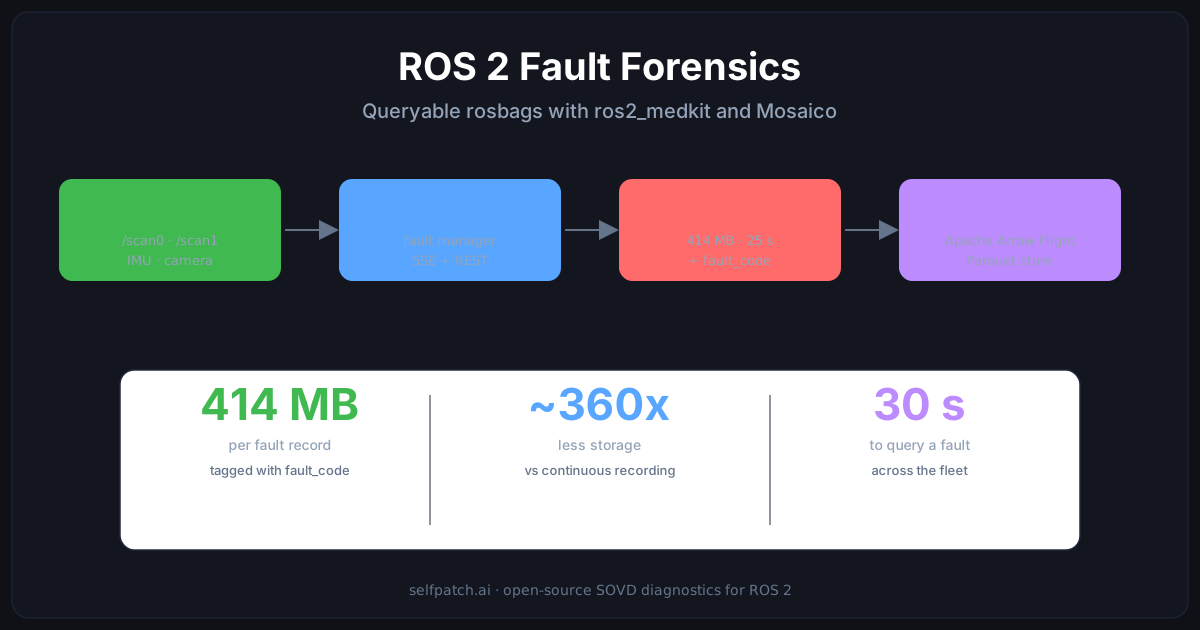
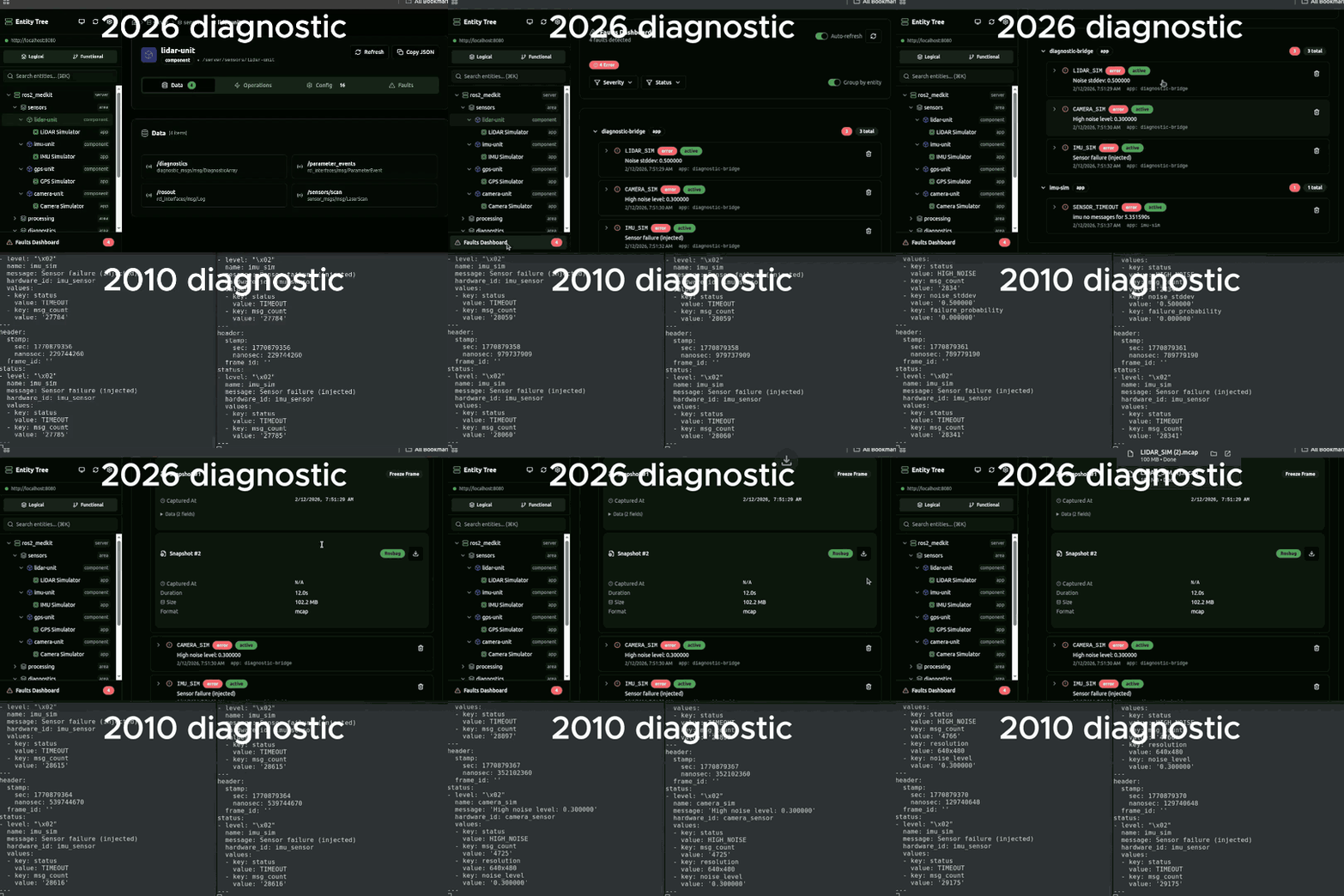
- Freeze frames. When a fault fires, the robot keeps a short buffer of the data from just before and after it. You get the context without recording everything all the time.
- One REST API. Faults, data and logs are read the same way on every robot, through the SOVD standard (ISO 17978), so your tools don't need to know what runs underneath.
Try it
Everything in the talk runs on ros2_medkit, our open-source diagnostics for ROS 2. For a longer introduction, read SOVD for ROS 2. If you want it on your own fleet, talk to us.
Recorded at ROSCon Global 2026 in Toronto on 24 September 2026. Video by Open Robotics, from the day 3 livestream.